
Rudolph Masciantonio
"Classics for All" Grant
The Rudolph Masciantonio Classics for All Grant provides up to $500 in rolling, theme-based funding to support teachers bringing Latin and the ancient Mediterranean to elementary and middle school students.
This Year’s Theme…
Project Materials: Everything you need for Project Based Learning!
Honoring Dr. Rudolf Masciantonio
In 2020, Ascanius learned that it is one of the beneficiaries of the Dr. Rudolph Masciantonio Fund for Classical Studies. Dr. Masciantonio taught Latin, Spanish, French, and social studies in the Philadelphia Public Schools before becoming the department head of foreign language and a curriculum specialist for the city's public schools. In the 1970s, he spearheaded one of the most extensive Foreign Language in Elementary Schools (FLES) programs, in which fourth through sixth grade students in Philadelphia received daily Latin instruction from itinerant Latin teachers. An evaluative study found that these students made significant academic gains in the areas of English vocabulary and reading after one year of Latin.
At Ascanius, our faculty training sessions during LatinSummer always included discussions of Philadelphia's FLES program and Dr. Masciantonio's groundbreaking work. We were even fortunate to have him as a supporter of our programs from our earliest years. Dr. Masciantonio died in 2016 and is remembered by many as a champion of Classics. At Ascanius, we remember him as a true pioneer of Latin in elementary schools, and we are honored to carry on his memory through this fund.
About the Classics for All Grant
The Rudolph Masciantonio “Classics for All” Grant supports events, programs, and projects designed for teachers introducing elementary and middle-school students to Latin and the ancient Mediterranean world.
Grants of up to $500 are available for teacher use. Each school year, funding will focus on projects connected to a selected theme. Applications may be submitted at any time and will be reviewed by the committee twice annually.
2026–2027 Theme
Projects: Everything You Need for Project-Based Learning
Hands-on, project-based learning can make Latin memorable, foster students’ curiosity, and help programs grow. Many project materials can be reused in the classroom, shared among teachers, or repurposed for school and community outreach events.
Possible projects and supplies include, but are not limited to:
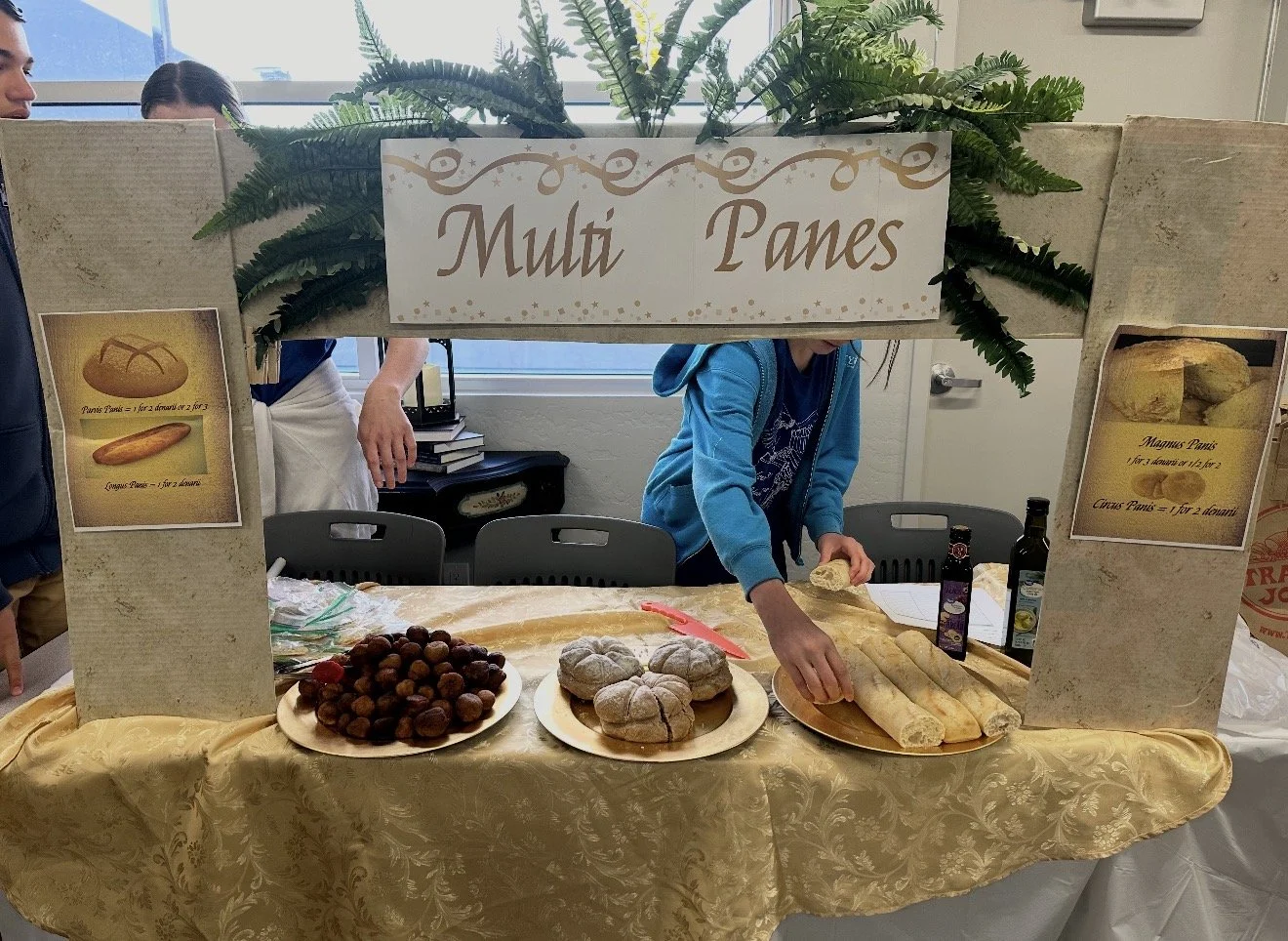
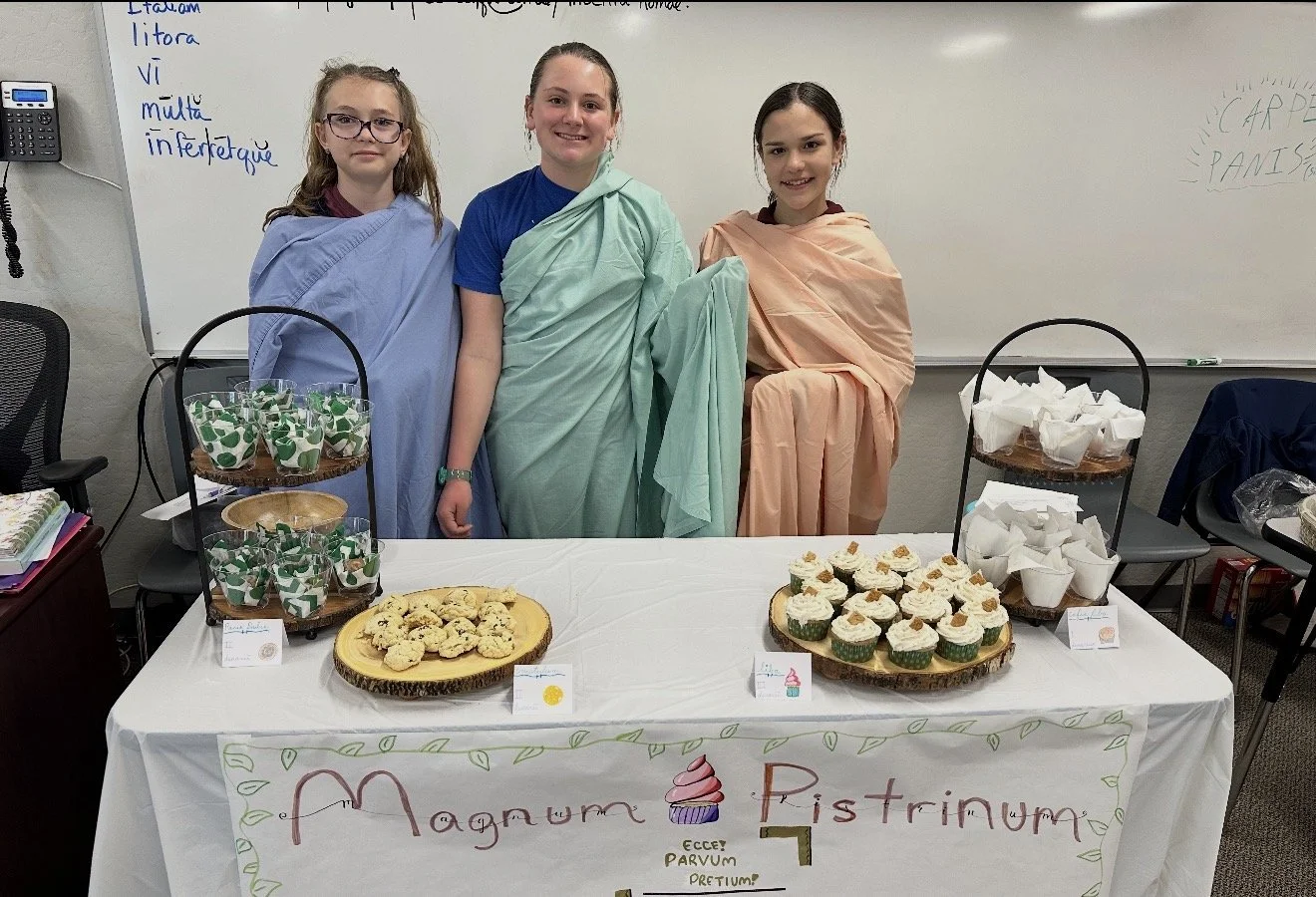
Roman Marketplace: Play money, baskets, tunics, product labels, replica coins, and craft materials for creating a market where students practice conversational Latin, Roman numerals, and ancient measurements.
Roman Archaeological Dig: Dig boxes, sand, excavation tools, artifact replicas, pottery fragments, sieves, brushes, measuring tools, and student field notebooks.
Mosaics and Roman Art: Mosaic tiles, clay, plaster, paints, modeling tools, and other supplies for creating Roman mosaics, frescoes, pottery, or relief sculptures.
Ancient Writing and Epigraphy: Reusable wax tablets, styli, calligraphy supplies, papyrus, clay, inscription-making materials, and replica Roman writing tools.
Roman Engineering Challenges: Building materials for student-designed aqueducts, arches, roads, bridges, siege engines, or model Roman cities.
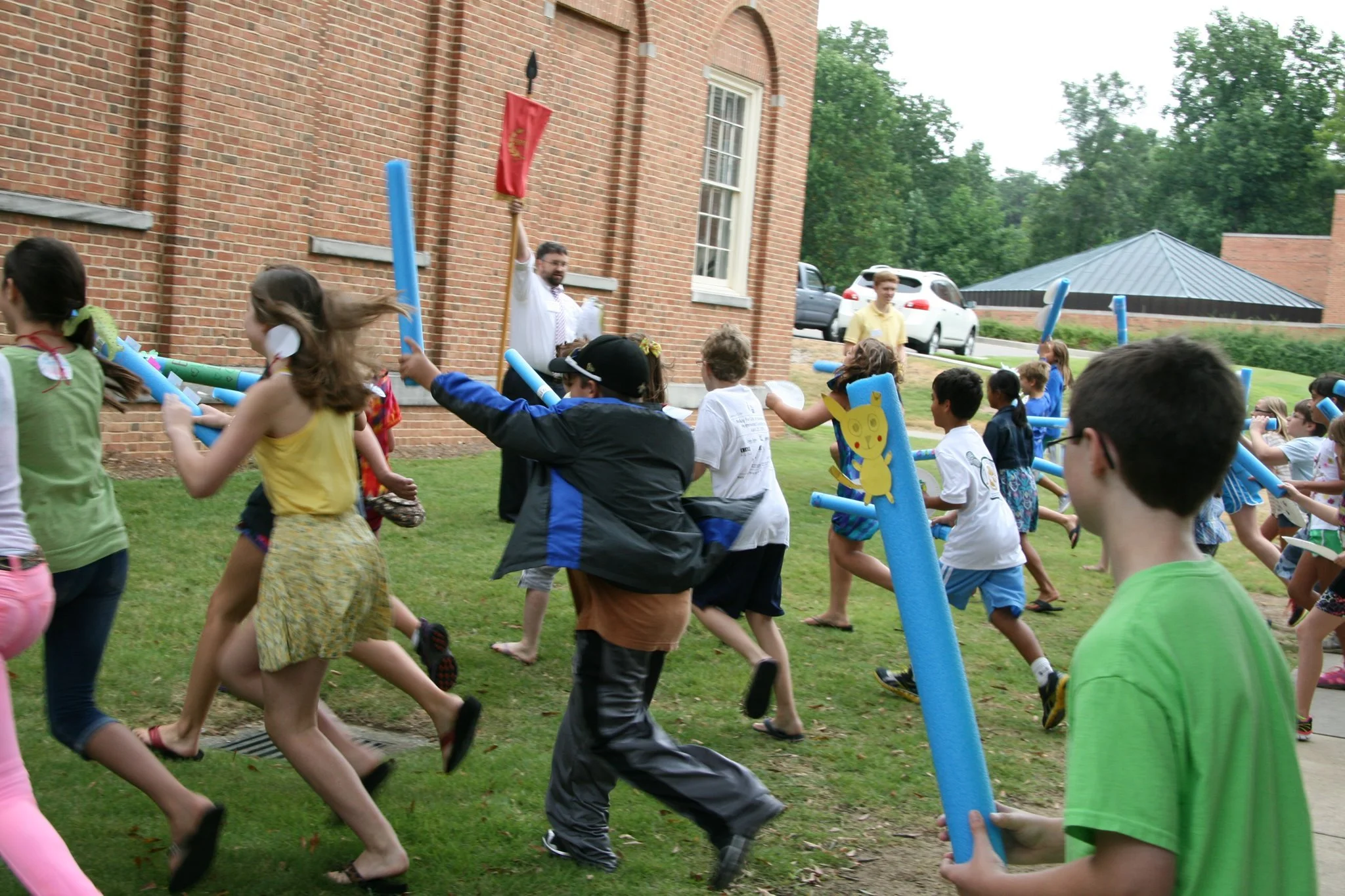
Latin Theater and Storytelling: Costumes, masks, props, puppets, scenery materials, and simple recording equipment for presenting Latin plays, myths, dialogues, or historical reenactments.
Roman Games and Toys: Materials for creating or playing ludus latrunculorum, tali, knucklebones, Roman numeral games, Latin vocabulary games, and student-designed board games.
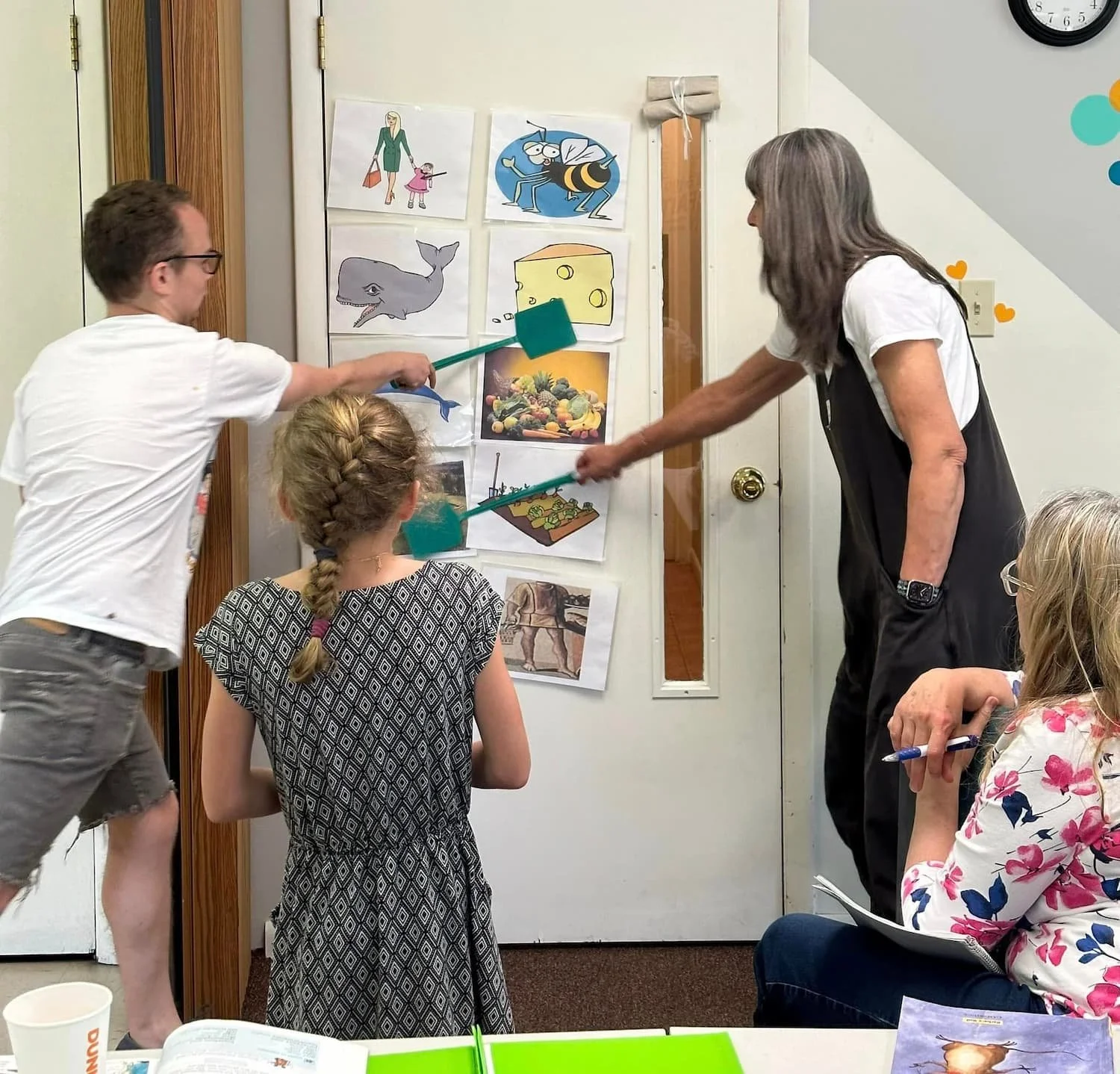
Latin Escape Rooms and Learning Games: Lockboxes, reusable locks, clue containers, invisible-ink pens, timers, card stock, laminating supplies, and materials for creating reusable Latin challenges.
Roman Food and Daily Life: Safe cooking equipment, ingredients, serving materials, replica household objects, and supplies for exploring Roman food, clothing, homes, or family life.
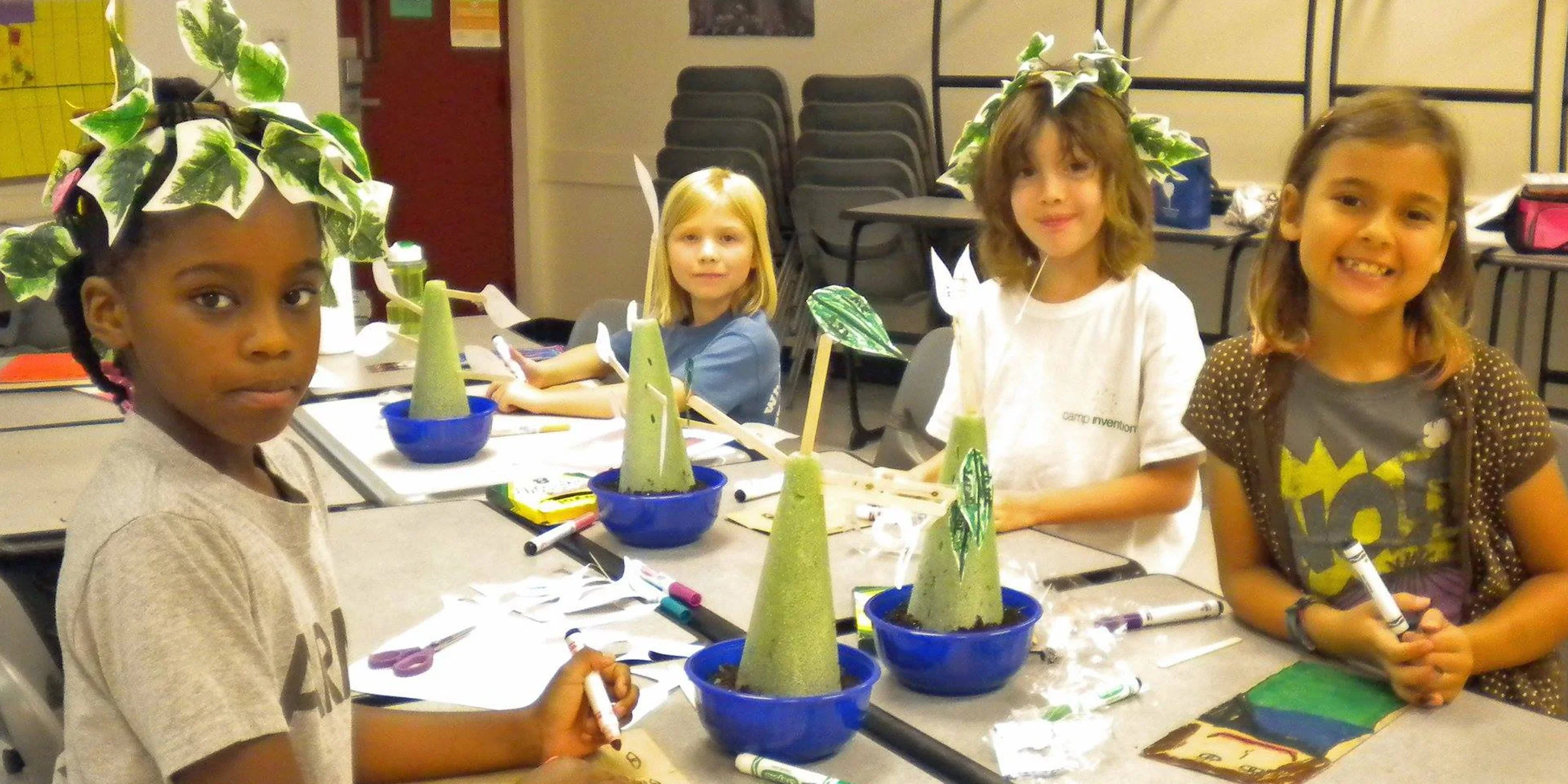
Gardens of the Ancient Mediterranean: Seeds, planters, soil, plant markers, gardening tools, and materials for creating a Roman herb garden labeled in Latin.
Maps and Models of the Roman World: Large maps, globes, atlases, map-making supplies, model-building materials, and figures for exploring Roman geography, travel, trade, and military expansion.
Roman Clothing and Textiles: Fabric, fasteners, trim, yarn, small looms, and sewing materials for investigating Roman clothing, weaving, and textile production.
Classroom or Community Outreach Kits: Reusable activity stations, display boards, banners, costumes, games, artifact replicas, and take-home materials for Latin nights, elementary-school visits, festivals, or recruitment events.
Student-Created Books and Exhibits: Bookmaking supplies, printing costs, display materials, photo printing, and binding supplies for illustrated Latin stories, museum exhibits, travel guides, or mythology collections.
Applicants are encouraged to be creative. A strong proposal should explain how the project will actively engage students, support learning about Latin or the ancient Mediterranean, and provide materials or experiences that can continue benefiting students beyond the grant year.
Grant Eligibilty
Applicants may either be teachers who primarily teach Latin and/or Classics, or they may be other teachers (e.g., general education or gifted) who incorporate these areas into their students' instruction. The students who will ultimately benefit from this grant should be elementary and/or middle school students.
Please note that any individual may only receive one grant from Ascanius per academic year.
Application Requirements:
Please provide a short letter describing your goals as an educator of elementary- or middle-school-aged students in the subject area of Latin and/or the ancient Mediterranean. Itemize your requested supplies and how your proposed request contributes to and supports your goals.
Please provide an approximate budget outlining your expenses and any other funding you may receive.
Grant recipients will be asked to write up a short description of their use of the funds and their impact in the classroom. Failure to submit this brief report may disqualify recipients from future funding from Ascanius.
Applications may be submitted at any time and will be reviewed by the committee twice annually. The deadlines for submission are October 30th and March 30th.
Fall Grant applications that are not awarded may be considered again in the spring. However, no retroactive grants will be considered for programs that have already occurred. For any questions, contact info@ascaniusyci.org.

Ready to apply?
Click below for the application
Recent Grant Highlights
Below are some recent highlights for the Rudolph Masciantonio 'Classics for All' Grant
Sister Bernadette Caron
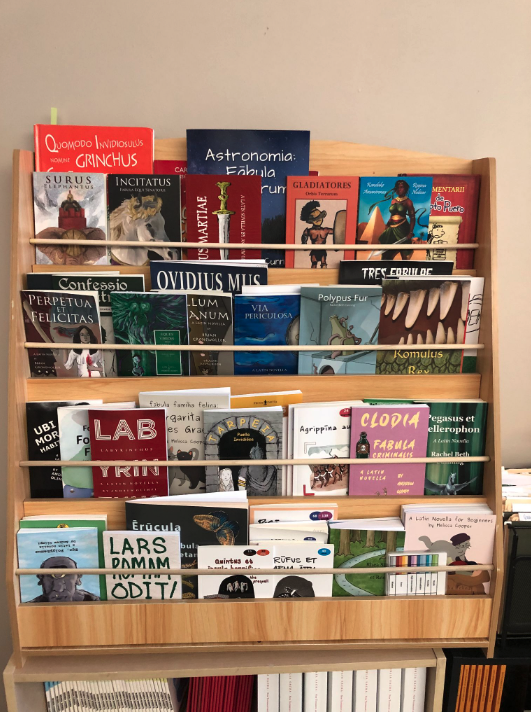
This grant established and expanded a Latin reading culture by creating a dedicated collection of Latin novellas and other free voluntary reading materials for students across grade levels. The project began with the purchase of engaging Latin texts and the development of a lending system that encouraged students to read both in and outside the classroom. The growing collection fostered cross-grade reading opportunities, increased student engagement with Latin literature, and helped cultivate a sustainable reading community within the school. By increasing access to comprehensible Latin texts, the initiative strengthened reading as a central and lasting component of the school’s Latin program. Sister Bernadette Caron teaches Latin at Our Lady of the Wayside Catholic School and Chesterton Academy in Peterborough, Ontario.